Science

Indoor Carbon Dioxide Levels Could Be a Health Hazard, Scientists Warn (theguardian.com) 172

An anonymous reader quotes a report from The Guardian: Indoor levels of carbon dioxide could be clouding our thinking and may even pose a wider danger to human health, researchers say. The authors of the latest study -- which reviews current evidence on the issue -- say there is a growing body of research suggesting levels of CO2 that can be found in bedrooms, classrooms and offices might have harmful effects on the body, including affecting cognitive performance. "There is enough evidence to be concerned, not enough to be alarmed. But there is no time to waste," said Dr Michael Hernke, a co-author of the study from the University of Wisconsin-Madison, stressing further research was needed. Writing in the journal Nature Sustainability, Hernke and colleagues report that they considered 18 studies of the levels of CO2 humans are exposed to, as well as its health impacts on both humans and animals.

Traditionally, the team say, it had been thought that CO2 levels would need to reach a very high concentration of at least 5,000 parts per million (ppm) before they would affect human health. But a growing body of research suggests CO2 levels as low as 1,000ppm could cause health problems, even if exposure only lasts for a few hours. The team say crowded or poorly ventilated classrooms, office environments and bedrooms have all been found to have levels of CO2 that exceed 1,000ppm, and are spaces that people often remain in for many hours at a time. Air-conditioned trains and planes have also been found to exceed 1,000ppm.

Math

Physicist Solves 2,000-Year-Old Optical Problem (petapixel.com) 153

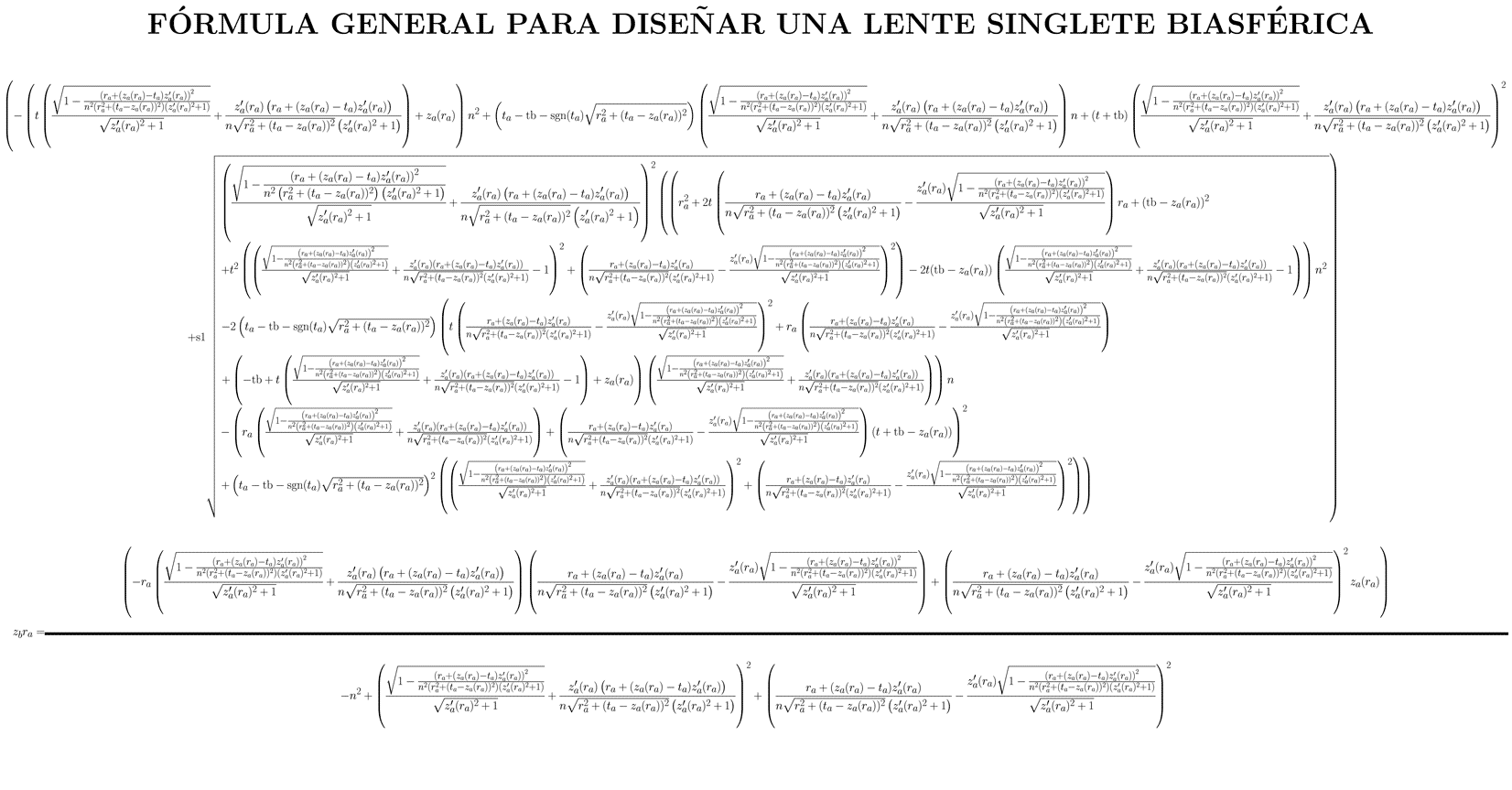
Mexican physicist Rafael Gonzalez has found the solution to spherical aberration in optical lenses, solving the 2,000-year-old Wasserman-Wolf problem that Isaac Newton himself could not solve. Newton invented a telescope that solved the chromatic aberration, but not the spherical aberration. PetaPixel reports: Fast forward to 2018 when Hector A. Chaparro-Romo, a doctoral student at the National Autonomous University of Mexico (UNAM), who had been trying to solve this problem for 3 years, invited Rafael G. Gonzalez-Acuna, a doctoral student from Tec de Monterrey, to help him solve the problem. At first, Gonzalez did not want to devote resources to what he knew to be a millenary, impossible to solve problem. But upon the insistence of Hector Chaparro, he decided to accept the challenge. After months of working on solving the problem, Rafael Gonzalez recalls, "I remember one morning I was making myself a slice of bread with Nutella, when suddenly, I said out loud: Mothers! It is there!" He then ran to his computer and started programming the idea. When he executed the solution and saw that it worked, he says he jumped all over the place. It is unclear whether he finished eating the Nutella bread. Afterwards, the duo ran a simulation and calculated the efficacy with 500 rays, and the resulting average satisfaction for all examples was 99.9999999999%. Which, of course, is great news for gear reviewers on YouTube, as they will still be able to argue about the 0.0000000001% of sharpness difference among lens brands. Their findings were published in the journal Applied Optics. They also published an article in Applied Optics that gives an analytical solution to the Levi-Civita problem formulated in 1900. "The Levi-Civita problem, which has existed without a solution for over a century, was also considered a mythical problem by the specialized community," reports PetaPixel.

"In this [algebraic] equation we describe how the shape of the second aspherical surface of the given lens should be given a first surface, which is provided by the user, as well as the object-image distance," explains Gonzalez. "The second surface is such that it corrects all the aberration generated by the first surface, and the spherical aberration is eliminated."
ISS

Ask Slashdot: Should the ISS Go Commercial? (npr.org) 193

Slashdot reader stevent1965 writes: The costs of running the International Space Station are a burden for NASA's budget. It has cost over $100 billion to construct and annual operating expenses run between $3 and $4 billion per year, representing a substantial percentage [about half] of NASA's manned space exploration budget. What to do, what to do?

A potential solution is to turn over operations (if not ownership) to private enterprise (Elon, are you listening?) Commercialization of space exploration may be anathema to some, but there is ample precedent for the government ceding control of publicly-funded endeavors to private enterprises. The Internet is the obvious example.

Why not give corporations control of the ISS? Are there drawbacks? Benefits? Which will prevail? Let's hear your opinions.

Sunday NPR noted that a few weeks ago NASA held a press event at Nasdaq's MarketSite to announce and promote "the commercialization of low Earth orbit," with astronaut Christina Koch beaming down a video from space to say that the crew was "so excited" to be a part of NASA "as our home and laboratory in space transitions into being accessible to expanded commercial and marketing opportunities" (as well as to "private astronauts.")

But there are big logistical and financial hurdles. (Even NASA admits to NPR that revenue-generating opportunities first "need to be cultivated by the creative and entrepreneurial private sector.") So leave your own best thoughts in the comments -- the how, why, what if, or why not.

Should the International Space Station go commercial?
Moon

What You Didn't Know About the Apollo 11 Mission (smithsonianmag.com) 133

"From JFK's real motives to the Soviets' secret plot to land on the Moon at the same time, a new behind-the-scenes view of an unlikely triumph 50 years ago," writes schwit1 sharing a new article from Smithsonian magazine titled "What You Didn't Know About the Apollo 11 Mission."

It's an excerpt from the recently-released book ONE GIANT LEAP: The Impossible Mission That Flew Us to the Moon. The Moon has a smell. It has no air, but it has a smell... All the astronauts who walked on the Moon noticed it, and many commented on it to Mission Control.... Cornell University astrophysicist Thomas Gold warned NASA that the dust had been isolated from oxygen for so long that it might well be highly chemically reactive. If too much dust was carried inside the lunar module's cabin, the moment the astronauts repressurized it with air and the dust came into contact with oxygen, it might start burning, or even cause an explosion. (Gold, who correctly predicted early on that the Moon's surface would be covered with powdery dust, also had warned NASA that the dust might be so deep that the lunar module and the astronauts themselves could sink irretrievably into it.) Among the thousands of things they were keeping in mind while flying to the Moon, Armstrong and Aldrin had been briefed about the very small possibility that the lunar dust could ignite....

The Apollo spacecraft ended up with what was, for its time, the smallest, fastest and most nimble computer in a single package anywhere in the world. That computer navigated through space and helped the astronauts operate the ship. But the astronauts also traveled to the Moon with paper star charts so they could use a sextant to take star sightings -- like 18th-century explorers on the deck of a ship -- and cross-check their computer's navigation. The software of the computer was stitched together by women sitting at specialized looms -- using wire instead of thread. In fact, an arresting amount of work across Apollo was done by hand: The heat shield was applied to the spaceship by hand with a fancy caulking gun; the parachutes were sewn by hand, and then folded by hand. The only three staff members in the country who were trained and licensed to fold and pack the Apollo parachutes were considered so indispensable that NASA officials forbade them to ever ride in the same car, to avoid their all being injured in a single accident. Despite its high-tech aura, we have lost sight of the extent to which the lunar mission was handmade...

The space program in the 1960s did two things to lay the foundation of the digital revolution. First, NASA used integrated circuits -- the first computer chips -- in the computers that flew the Apollo command module and the Apollo lunar module. Except for the U.S. Air Force, NASA was the first significant customer for integrated circuits. Microchips power the world now, of course, but in 1962 they were little more than three years old, and for Apollo they were a brilliant if controversial bet. Even IBM decided against using them in the company's computers in the early 1960s. NASA's demand for integrated circuits, and its insistence on their near-flawless manufacture, helped create the world market for the chips and helped cut the price by 90 percent in five years. NASA was the first organization of any kind -- company or government agency -- anywhere in the world to give computer chips responsibility for human life. If the chips could be depended on to fly astronauts safely to the Moon, they were probably good enough for computers that would run chemical plants or analyze advertising data.

The article also notes that three times as many people worked on Apollo as on the Manhattan Project to create the atomic bomb.
Earth

Researchers Awaken Ancient Lifeforms Exposed By Thawing Ice Caps and Permafrost (sfgate.com) 66

"Researchers in a warming Arctic are discovering organisms, frozen and presumed dead for millennia, that can bear life anew," reports the Washington Post: These ice age zombies range from simple bacteria to multicellular animals, and their endurance is prompting scientists to revise their understanding of what it means to survive... Mosses have forged a tougher path. They desiccate when temperatures plummet, sidestepping the potential hazard of ice forming in their tissues. And if parts of the plant do sustain damage, certain cells can divide and differentiate into all the various tissue types that comprise a complete moss, similar to stem cells in human embryos... Thanks to these adaptations, mosses are more likely than other plants to survive long-term freezing, said Peter Convey, an ecologist with the British Antarctic Survey. On the heels of evolutionary biologist Catherine La Farge's Canadian moss revival, Convey's team announced it had awakened a 1,500-year-old moss buried more than three feet underground in the Antarctic permafrost...

While the elderly mosses discovered by La Farge and Convey are remarkable, the clique of ice age survivors extends well beyond this one group of plants... A microbiologist at the University of Tennessee, Tatiana Vishnivetskaya drills deep into the Siberian permafrost to map the web of single-celled organisms that flourished ice ages ago. She has coaxed million-year-old bacteria back to life on a petri dish. They look "very similar to bacteria you can find in cold environments (today)," she said. But last year, Vishnivetskaya's team announced an "accidental finding" -- one with a brain and nervous system -- that shattered scientists' understanding of extreme endurance.

As usual, the researchers were seeking singled-celled organisms, the only life-forms thought to be viable after millennia locked in the permafrost. They placed the frozen material on petri dishes in their room-temperature lab and noticed something strange. Hulking among the puny bacteria and amoebae were long, segmented worms complete with a head at one end and anus at the other -- nematodes... She estimated one nematode to be 41,000 years old -- by far the oldest living animal ever discovered. This very worm dwelled in the soil beneath Neanderthals' feet and had lived to meet modern-day humans in Vishnivetskaya's high-tech laboratory.

The article also quotes Gaetan Borgonie, a nematode researcher at Extreme Life Isyensya in Gentbrugge, Belgium, "who believes these feats of survival may portend life on other planets."

He calls the newly-discovered endurance of nematodes "very good news for the solar system."
Space

Astrophysicist Tries Machine Learning To Generate a Black Hole Movie (hpe.com) 70

One of the scientists who worked on the black hole picture is now pursuing an even more ambitious visualization, this time for the super-massive black hole at the center of our own galaxy.

Long-time Slashdot reader Esther Schindler shares this report from Hewlett Packard Enterprise's Insights blog: Lia Medeiros, a physicist, astrophysicist, and National Science Foundation fellow, is working to put together a movie of sorts of a black hole, using data from the Event Horizon Telescope, a global telescope array that gave scientists the data needed to capture that first black hole image. And she's going to do it using machine learning... Scientists basically will be pitting Einstein's theory of general relativity, which tells us what we know, or think we know, about gravity, against the most powerful gravitational forces in the universe. It's about comparing these new black hole observations with predictions based on our mathematical models of them. And if general relativity doesn't fully hold up at the event horizon, then the theory may need to be rethought.

Her work also could tell us more about how quantum mechanics, which is still quite mysterious to the best physicists, interacts with the theory of gravity... Having a black hole movie could be a scientific game changer because they are one of the only types of objects in the universe that scientists need both theories to explain. Black holes, simply put, live at the intersection of quantum and gravity. Movies of a black hole could give scientists the information they need to see if they behave the way we expect them to, helping them figure out the complicated intersection of two major scientific theories.

Earth

Are Parts of India Becoming Too Hot For Humans? (foxcarolina.com) 268

"Intense heat waves have killed more than 100 people in India this summer and are predicted to worsen in coming years, creating a possible humanitarian crisis as large parts of the country potentially become too hot to be inhabitable," writes CNN.

An anonymous reader quotes their report: Heat waves in India usually take place between March and July and abate once the monsoon rains arrive. But in recent years these hot spells have become more intense, more frequent and longer...

India is among the countries expected to be worst affected by the impacts of climate crisis, according to the Intergovernmental Panel on Climate Change. Experts at the Massachusetts Institute of Technology say that even if the world succeeds in cutting carbon emissions, limiting the predicted rise in average global temperatures, parts of India will become so hot they will test the limits of human survivability...

In June, Delhi hit temperatures of 48 degrees Celsius (118 Fahrenheit), the highest ever recorded in that month. West of the capital, Churu in Rajasthan nearly broke the country's heat record with a high of 50.6 Celsius (123 Fahrenheit)... And forecasters believe it's only going to get worse. "In a nutshell, future heatwaves are likely to engulf in the whole of India," said AK Sahai and Sushmita Joseph, of the Indian Institute of Tropical Meteorology, in Pune in an email.

Biotech

DNA Data Storage Is Closer Than You Think (scientificamerican.com) 72

"Life's information-storage system is being adapted to handle massive amounts of information," reports Scientific American, reports Scientific American, calling it "an alternative to hard drives" and noting that DNA "is already routinely sequenced (read), synthesized (written to) and accurately copied with ease.

"DNA is also incredibly stable, as has been demonstrated by the complete genome sequencing of a fossil horse that lived more than 500,000 years ago. And storing it does not require much energy." But it is the storage capacity that shines. DNA can accurately stow massive amounts of data at a density far exceeding that of electronic devices. The simple bacterium Escherichia coli, for instance, has a storage density of about 10**19 bits per cubic centimeter, according to calculations published in 2016 in Nature Materials by George Church of Harvard University and his colleagues. At that density, all the world's current storage needs for a year could be well met by a cube of DNA measuring about one meter on a side.

The prospect of DNA data storage is not merely theoretical. In 2017, for instance, Church's group at Harvard adopted CRISPR DNA-editing technology to record images of a human hand into the genome of E. coli, which were read out with higher than 90 percent accuracy. And researchers at the University of Washington and Microsoft Research have developed a fully automated system for writing, storing and reading data encoded in DNA. A number of companies, including Microsoft and Twist Bioscience, are working to advance DNA-storage technology... DNA bar coding is now being used to dramatically accelerate the pace of research in fields such as chemical engineering, materials science and nanotechnology.

Earth

Startup Aims To Turn Solar and Wind Power Into Carbon-Neutral Gasoline (sciencemag.org) 109

"Last month, Rob McGinnis fired up a new machine that runs combustion in reverse, using electricity to weld carbon dioxide and water into liquid fuels," writes Slashdot reader sciencehabit: McGinnis, a chemical engineer and entrepreneur, has launched a new start-up called Prometheus, in hopes that he will be able to synthesize fuels more cheaply than energy giants can drill for oil, ship it and refine it. If powered by solar, wind, or other renewable power sources, McGinnis' machine will churn out carbon neutral fuels, eliminating the fossil from fossil fuels. At the heart of McGinnis' machine is proprietary carbon nanotube-based filter that separates fuel molecules from water without the large energy input normally required for this job. Can a former Yale University theater major remake the $2 trillion liquid fuels industry?
The article adds that the startup signed its first deal last month, "to begin to sell carbon-neutral fuel to Boom Supersonic, a Denver company building a supersonic commercial airliner."
Google

Google Sued For Conspiring To Share Medical Records Against Patient Consent (chicagomaroon.com) 71

schwit1 writes: A former University of Chicago medical patient filed a class-action lawsuit against the University of Chicago and Google, claiming that the University of Chicago Medical Center is giving private patient information to the tech giant without patients consent.

About two years ago, the university medical center partnered with Google with the hope of identifying patterns in patient health records to help predict future medical issues.

Now, former patient Matt Dinerstein is filing a lawsuit on behalf of the medical center's patients, alleging that the university violated privacy laws by sharing sensitive health records with Google from 2009 to 2016, aiding Google's goal of creating a digital health record system, according to the student newspaper of the University of Chicago.

Medicine

Bladder Cancer 'Attacked and Killed By Common Cold Virus' (bbc.com) 51

A new study from the University of Surrey suggests that a strain of the common cold virus can infect and kill bladder cancer cells. "All signs of the disease disappeared in one patient, and in 14 others there was evidence that cancer cells had died," reports the BBC. From the report: In this study, 15 patients with the disease were given the cancer-killing coxsackievirus (CVA21) through a catheter one week before surgery to remove their tumors. When tissues samples were analyzed after surgery, there were signs the virus had targeted and killed cancer cells in the bladder. Once these cells had died, the virus had then reproduced and infected other cancerous cells - but all other healthy cells were left intact.

What the virus does is special, says study leader Prof Hardev Pandha, from the University of Surrey and Royal Surrey County Hospital. "The virus gets inside cancer cells and kills them by triggering an immune protein - and that leads to signaling of other immune cells to come and join the party," he said. Normally, the tumors in the bladder are "cold" because they do not have immune cells to fight off the cancer. But the actions of the virus turn them "hot," making the body's immune system react. The plan is now to use the common cold virus with a targeted immunotherapy drug treatment, called a checkpoint inhibitor, in a future trial in more patients.

Power

Safer Nuclear Reactors Are On the Way (scientificamerican.com) 366

Nuclear power plant manufacturers, such as Westinghouse and Framatome, are developing safer nuclear reactors that use so-called accident-tolerant fuels that are less likely to overheat -- and if they do, will produce very little or no hydrogen. As Scientific American reports, commercial reactors use small pellets of uranium dioxide stacked inside long cylindrical rods made of zirconium alloy, which "allows the neutrons generated from fission in the pellets to readily pass among the many rods submerged in water inside a reactor core, supporting a self-sustaining, heat-producing nuclear reaction." The problem is that if the zirconium overheats, it can react with water and produce hydrogen, which can explode. From the report: In some of the variations, the zirconium cladding is coated to minimize reactions. In others, zirconium and even the uranium dioxide are replaced with different materials. The new configurations could be slipped into existing reactors with little modification, so they could be phased in during the 2020s. Thorough in-core testing, which has begun, would have to prove successful, and regulators would have to be satisfied. In a bonus, the new fuels could help plants run more efficiently, making nuclear power more cost-competitive -- a significant motivation for manufacturers and electric utilities because natural gas, solar and wind energy are less expensive.

Russia is also deploying other safety measures; recent installations at home and abroad by the state-run company Rosatom have newer "passive" safety systems that can squelch overheating even if electrical power at the plant is lost and coolant cannot be actively circulated. Westinghouse and other companies have incorporated passive safety features into their updated designs as well. Manufacturers are also experimenting with "fourth generation" models that use liquid sodium or molten salt instead of water to transfer heat from fission, removing the possibility of dangerous hydrogen production. China reportedly intends to connect a demonstration helium-cooled reactor to its grid this year.

Space

LightSail 2 Sends Back 1st Signals From Its Solar-Surfing Test Flight (space.com) 61

The space advocacy organization The Planetary Society recently confirmed that its LightSail 2 spacecraft has sent its first signals home from space. From a report: The roughly 11-lb. (5 kilograms) cubesat is designed to prove that solar sailing is a feasible way of keeping satellites moving. Fuel is a costly and heavy commodity, and if LightSail 2 can prove that the solar-powered technique works well, perhaps future missions into the deep reaches of the solar system and beyond can be propelled by the charged particles released by the sun. The project launched into space last week (June 25) from the Kennedy Space Center in Florida aboard a SpaceX Falcon Heavy megarocket. On Tuesday (July 2), the bread-loaf-size LightSail 2 experiment left Prox-1, its carrier vehicle. LightSail 2 will ultimately open up its ultrathin four-panel sail to achieve a surface area about the size of a boxing ring.

But before that can happen, the Planetary Society team needed confirmation that the spacecraft itself was healthy. That message came on July 2, as the spacecraft was passing over the satellite's mission control at California Polytechnic State University in San Luis Obispo. The signals came from LightSail 2's recently deployed radio antenna, which began transmitting status data and a call sign in the form of morse code, according to LightSail 2 officials. "We're all very happy -- after years of preparation, we are flying an operational spacecraft!" Bruce Betts, LightSail program manager and Planetary Society chief scientist, said in a statement.

Science

Five Couples Have Lined Up for CRISPR Babies To Avoid Deafness (newscientist.com) 111

Five Russian couples who are deaf want to try the CRISPR gene-editing technique so they can have a biological child who can hear, biologist Denis Rebrikov told New Scientist. He plans to apply to the relevant Russian authorities for permission in "a couple of weeks." From a report: The case for using CRISPR for this purpose is stronger than for trying to make children HIV-resistant, as attempted previously, but the risks still outweigh the benefits, say other researchers. "Rebrikov is definitely determined to do some germline gene editing, and I think we should take him very seriously," says CRISPR expert Gaetan Burgio at the Australian National University. "But it's too early, it's too risky." Both would-be parents in each couple have a recessive form of deafness, meaning that all their children would normally inherit the same condition. While the vast majority of genetic diseases can be prevented by screening IVF embryos before implantation, with no need for gene-editing, this is not an option for these couples. Several reports have suggested that -- if it can be done safely -- editing the genes of babies might be justified in this kind of situation.
Earth

Tree Planting 'Has Mind-Blowing Potential' To Tackle Climate Crisis 424

Planting billions of trees across the world is by far the biggest and cheapest way to tackle the climate crisis, according to scientists, who have made the first calculation of how many more trees could be planted without encroaching on crop land or urban areas. From a report: As trees grow, they absorb and store the carbon dioxide emissions that are driving global heating. New research estimates that a worldwide planting programme could remove two-thirds of all the emissions that have been pumped into the atmosphere by human activities, a figure the scientists describe as "mind-blowing." The analysis found there are 1.7bn hectares of treeless land on which 1.2tn native tree saplings would naturally grow. That area is about 11% of all land and equivalent to the size of the US and China combined. Tropical areas could have 100% tree cover, while others would be more sparsely covered, meaning that on average about half the area would be under tree canopy. The scientists specifically excluded all fields used to grow crops and urban areas from their analysis. But they did include grazing land, on which the researchers say a few trees can also benefit sheep and cattle.
Science

Group of Biologists Tries To Bury the Idea That Plants Are Conscious (theguardian.com) 284

Frustrated by more than a decade of research which claims to reveal intentions, feelings and even consciousness in plants, more traditionally minded botanists have finally snapped. Plants, they protest, are emphatically not conscious. From a report: The latest salvo in the plant consciousness wars has been fired by US, British and German biologists who argue that practitioners of "plant neurobiology" have become carried away with the admittedly impressive abilities of plants to sense and react to their environments. While plants may curl their leaves in response to touch, grow faster when competitors are near and spring traps when prey wanders into them, the vexed biologists argue that is no reason to believe they choose their actions, learn along the way or occasionally get hurt in the process, as some plant neurobiologists assert.

Bothered by claims that plants have "brain-like command centres" in their root tips, and possess the equivalent of animal nervous systems, the critics counter there is no proof of sentient vegetation or structures within plants that would grant them what the neuroscientist Antonio Damasio has called "the feeling of what happens." Writing in the journal Trends in Plant Science, where plant neurobiology made its debut in 2006, Lincoln Taiz, a botanist at the University of California, Santa Cruz, and seven like-minded researchers state: "There is no evidence that plants require, and thus have evolved, energy-expensive mental faculties, such as consciousness, feelings, and intentionality, to survive or to reproduce."

Medicine

Researchers Have Eliminated HIV In Mice For the First Time (usatoday.com) 64

pgmrdlm shares a report from USA Today: Researchers say they've successfully eliminated HIV from the DNA of infected mice for the first time, bringing them one step closer to curing the virus in humans. Scientists from Temple University and the University of Nebraska Medical Center were able to eliminate the virus using a combination of gene-editing technology and a slow-release antiviral drug, according to a study published Tuesday in Nature Communications.

Researchers used a new form of ART called LASER ART on 23 "humanized mice," animals genetically modified to bear similarities to the human immune response. They were able to control the release and metabolism of the drug which allowed it to suppress virus replication for longer period of time. The team then excised the remaining integrated HIV genome using a gene-editing tool called CRISPR-Cas9 which allows scientists to operate on DNA to add or disable certain genes. Study author Howard Gendelman said its unclear how long it will take before clinical trials can begin noting that more research needs to be done into the potential of toxicity of gene modifying therapy and how to scale up the dose for humans.

Earth

India is Staring at a Water Apocalypse (asiatimes.com) 344

A combination of climate change, bad policies and political apathy is steadily pushing India into a catastrophic water crisis that threatens stability in South Asia. From a report: Recent studies document that glaciers feeding the Indian subcontinent's rivers will recede rapidly, while rapid ground water depletion poses an existential challenge to agriculture. The southwest monsoons remain the biggest source of water in the subcontinent. The monsoons lead to a combination of water sources supporting human habitats that includes glaciers, surface irrigation and ground water. But redundancy and surplus have gone missing from this once abundant system. Taking their place are galloping shortages.

Even the best-case scenarios are "scary," water researcher Aditi Mukherjee told Asia Times. Mukherjee is one of the editors of a landmark study that was published earlier this year. It predicts a terrible loss of the glaciers that dot the Hindu Kush-Himalaya region. "The Hindu Kush Himalaya Assessment [PDF]" says that even if urgent global action on climate change is able to limit global warning to 1.5 degrees centigrade, it will still lead to a loss of a third of the glaciers in the region by the year 2100.

If the temperatures rise by 2.7 degrees centigrade, then half the glaciers will be gone. And if the current rate of global warming continues and temperatures rise by 6 degrees centigrade, then two-thirds of the glaciers will melt away. This has major implications for India, China, Pakistan, Nepal and Bangladesh. While the nearly 250 million who live in the Hindu Kush-Himalaya region will be most impacted from the outset, another 1.65 billion people who depend on the glacier-fed rivers are primarily at risk. "Even if we look at the best case scenario, which means limiting global warming by 1.5C, we are looking at a 36% loss of glaciers," said Mukherjee.
Further reading: Nearly two dozen cities in India will be out of water by next year.
China

A Third CRISPR Baby May Have Already Been Born in China (technologyreview.com) 114

An anonymous reader shares a report: The Second International Summit on Human Genome Editing, held in Hong Kong last November, was meant to debate the pros and cons of genetically engineering humans. Instead, the proceedings were turned upside down by the revelation that He Jiankui, a Chinese biophysicist, had already done it. He'd gone ahead and edited the DNA of twin girls with the powerful gene modification tool called CRISPR. Then the Chinese scientist sprang a further surprise on the shocked gene-editing experts. A second Chinese woman, he said, was pregnant with yet another CRISPR baby. An early pregnancy test had confirmed it.

That third CRISPR baby is now due to be born at any moment -- if he or she hasn't come crying into the world already. Seven months have passed since the Hong Kong summit, but because the pregnancy was already under way by then, it is now at term, according to William Hurlbut, a Stanford University physician and ethicist who was in regular communication with He starting in 2017 and is familiar with the time line of events. Hurlbut knows the day the third baby was conceived but won't make it public, because of the risk the information could identify the parents and child.

Space

Scientists Are Using Subatomic Particles To Search For a Mirror Universe (nbcnews.com) 212

An anonymous reader quotes a report from NBC News: At Oak Ridge National Laboratory in eastern Tennessee, physicist Leah Broussard is trying to open a portal to a parallel universe. She calls it an "oscillation" that would lead her to "mirror matter," but the idea is fundamentally the same. In a series of experiments she plans to run at Oak Ridge this summer, Broussard will send a beam of subatomic particles down a 50-foot tunnel, past a ring-shaped magnet and into an impenetrable wall. If the setup is just right -- and if the universe cooperates -- some of those particles will transform into mirror-image versions of themselves, allowing them to tunnel right through the wall. And if that happens, Broussard will have uncovered the first evidence of a mirror world right alongside our own.

The mirror world, assuming it exists, would have its own laws of mirror-physics and its own mirror-history. You wouldn't find a mirror version of yourself there (and no evil Spock with a goatee -- sorry "Star Trek" fans). But current theory allows that you might find mirror atoms and mirror rocks, maybe even mirror planets and stars. Collectively, they could form an entire shadow world, just as real as our own but almost completely cut off from us. Broussard says her initial search for the mirror world won't be especially difficult. But if she unequivocally detects even a single mirror particle, it would prove that the visible universe is only half of what is out there -- and that the known laws of physics are only half of a much broader set of rules.

Slashdot Top Deals